
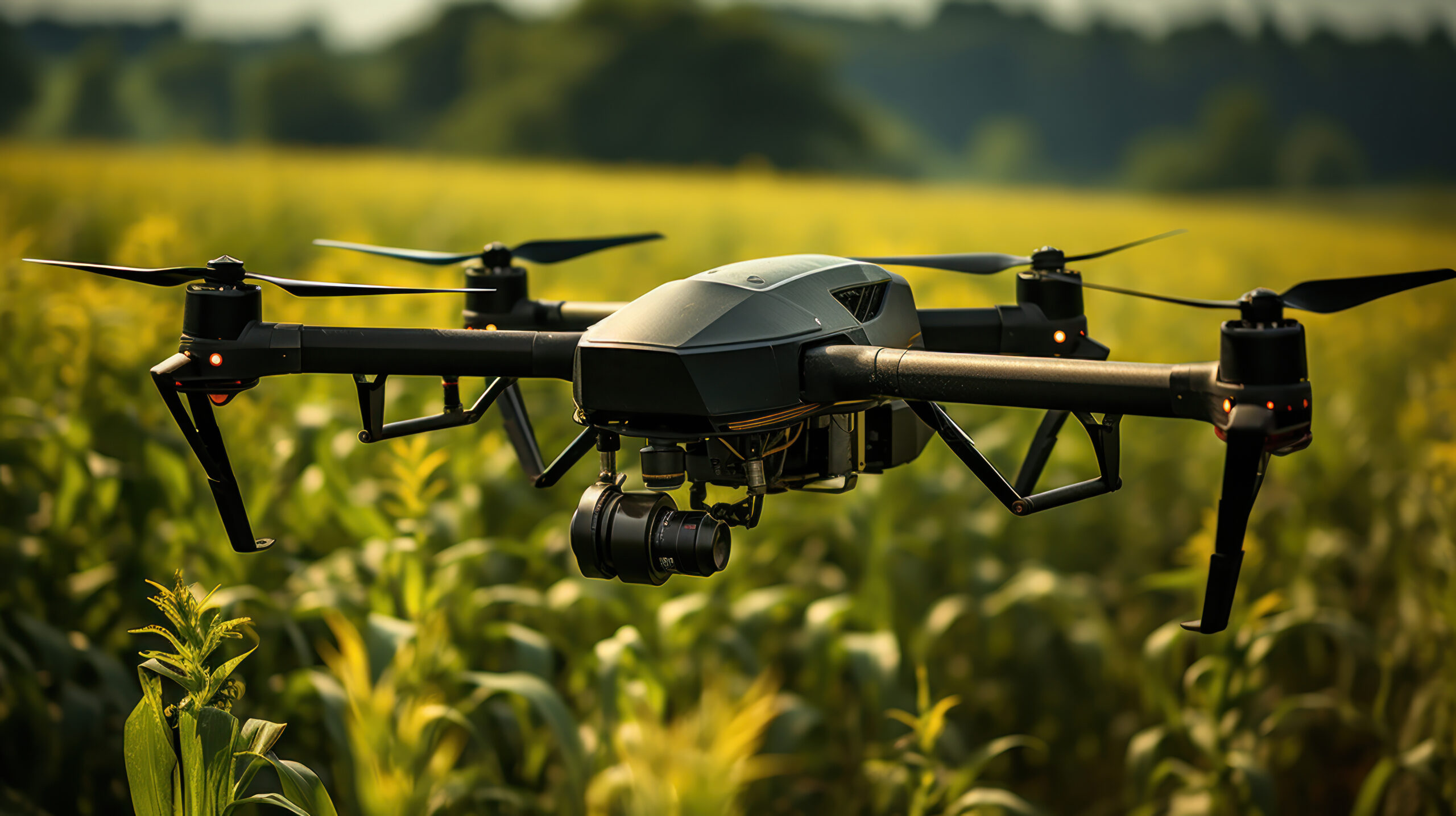
In modern agriculture, efficiency is key to meeting the demands of a growing global population. Drones have emerged as invaluable tools for farmers seeking to maximize their productivity while minimizing resource use. These unmanned aerial vehicles (UAVs) equipped with advanced sensors offer real-time data collection and analysis, enabling farmers to make informed decisions about irrigation, fertilization, and pest control. By precisely targeting areas in need of attention, drones help optimize resource allocation, resulting in higher yields and reduced environmental impact.
One of the key advantages of agricultural drones is their ability to provide detailed insights into crop health. Equipped with multispectral or thermal cameras, drones can detect subtle variations in plant health that might not be visible to the naked eye. This allows farmers to identify issues such as nutrient deficiencies, disease outbreaks, or water stress early on, enabling proactive intervention. By addressing problems promptly, farmers can prevent yield losses and minimize the need for chemical inputs, promoting sustainable farming practices.
Moreover, drones play a crucial role in field mapping and monitoring. By capturing high-resolution aerial imagery, they generate accurate maps of crop fields, helping farmers assess field variability and plan their operations more effectively. These maps can also aid in identifying optimal planting patterns, managing field boundaries, and monitoring the progress of agricultural activities throughout the growing season. With drones, farmers gain a bird’s-eye view of their operations, empowering them to make data-driven decisions that optimize yields and profitability.