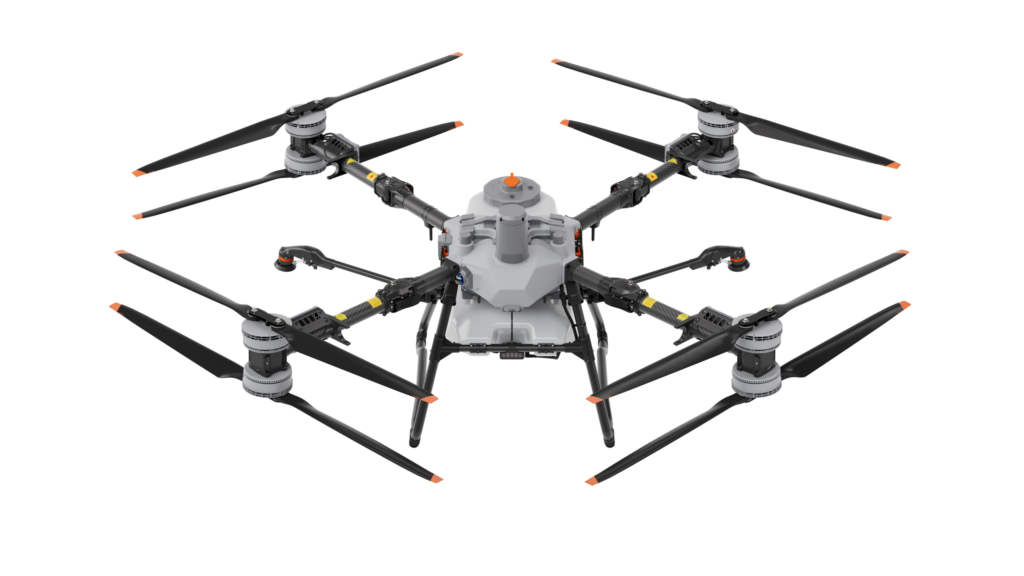
The T100 Agricultural Drone, a groundbreaking creation twelve years in the making, boasts a maximum payload of 100 kg[1]. Its operational efficiency is doubled, supporting multiple application scenarios, including spraying, spreading, and lifting tasks. Featuring industry-leading safety systems[2] and advanced algorithms, it delivers unparalleled safety performance and an intelligent operational experience.
Leak Free
1,500 kg per hour
Signal Stability
Smart Agriculture Ecosystem
Binocular Vision
Fast Charging
Smooth Spreading
Durable
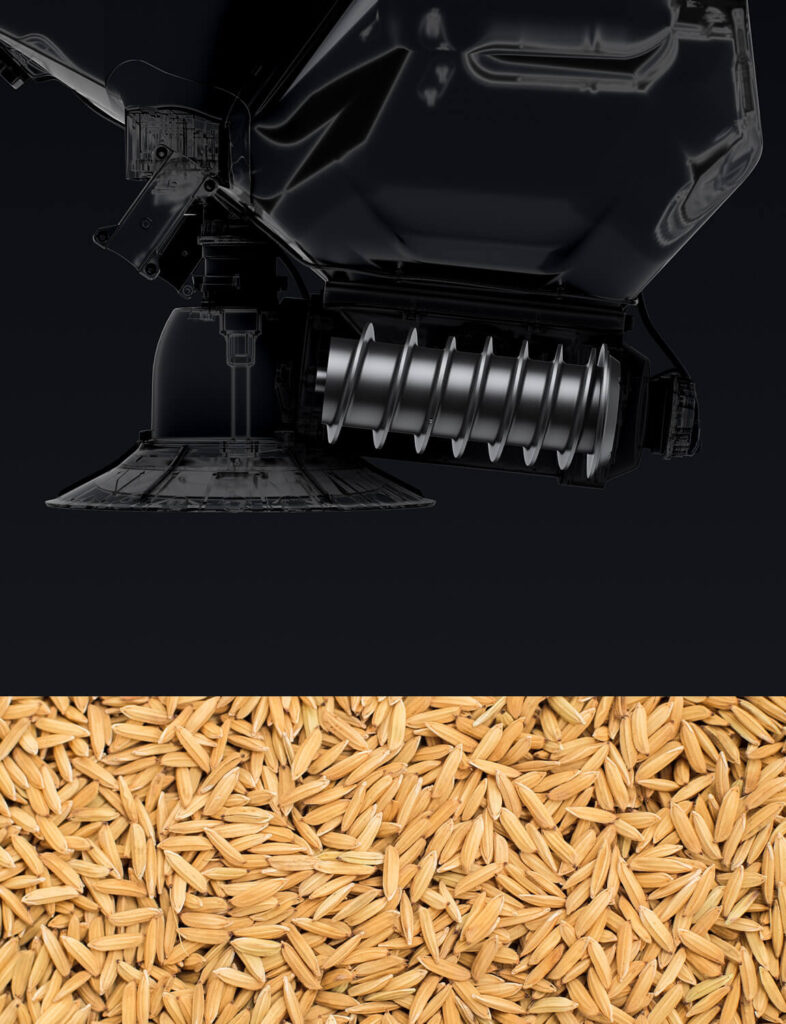
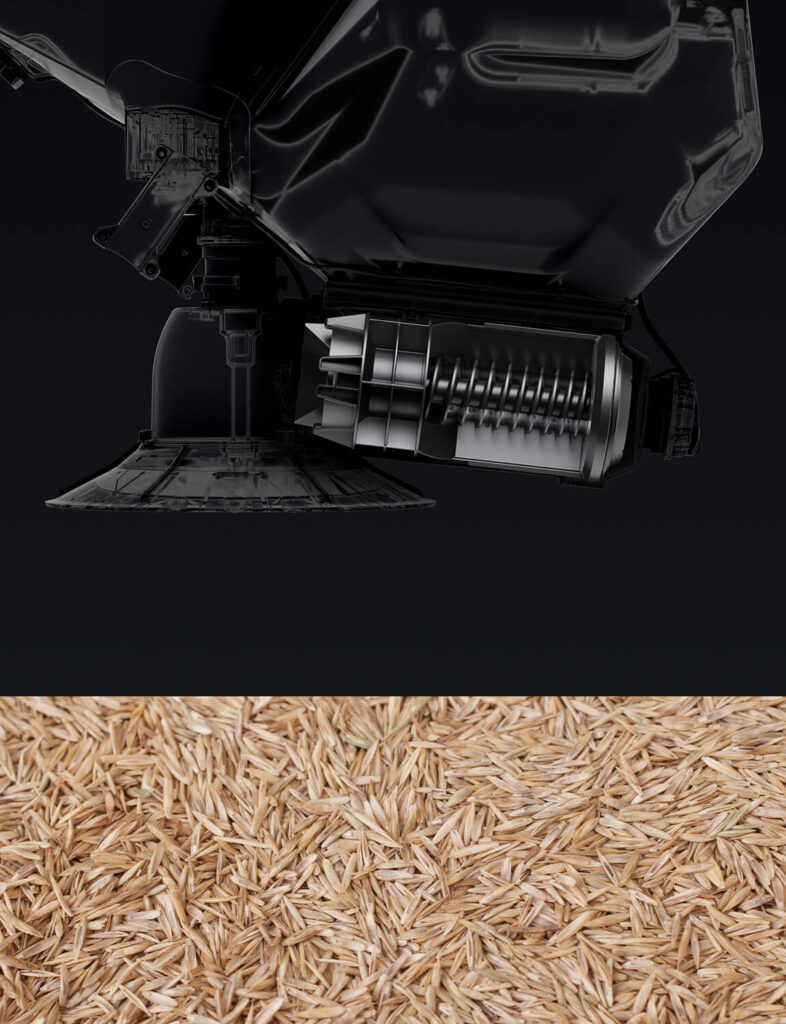
Four Feeder Types
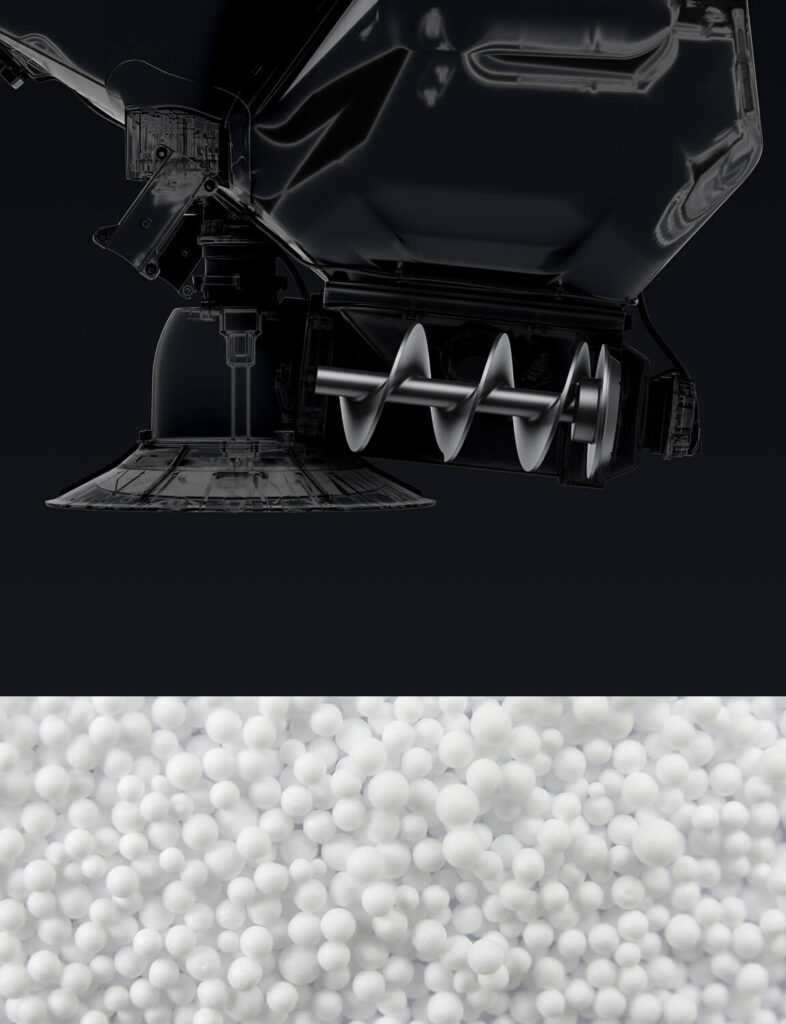
Supports four interchangeable feeder sizes for precise flow and greater adaptability[11] across seeding, fertilizing, and feeding.
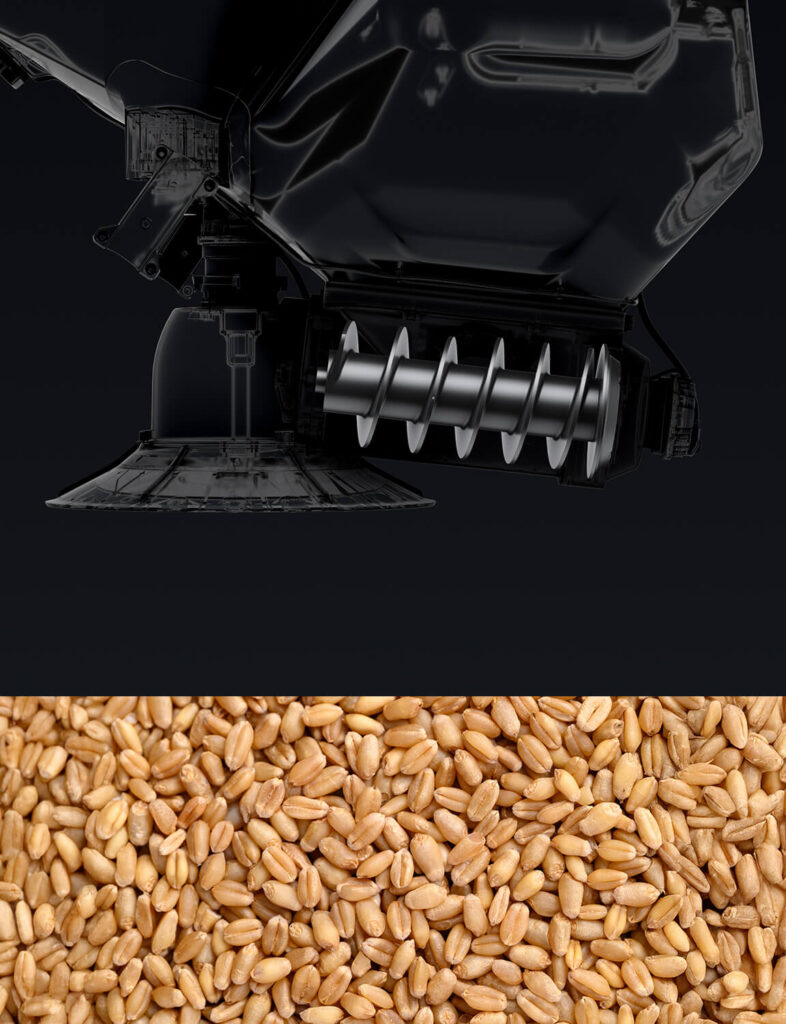
Extra-Large Feeder
Suitable for granulars such as fertilizers, wheat seeds, granular fungicides, feed, etc.
Recommended application rate: 75-750 kg per hectare.
Recommended particle size: 0.5-10 mm
Large Feeder (Optional)
Suitable for granulars such as rice seeds, cover crop seeds, etc.
Recommended application rate: 75-270 kg per hectare.
Recommended particle size: 4-10 mm
Medium Feeder
Suitable for granulars such as rice seeds.
Recommended application rate: 22.5-120 kg per hectare.
Recommended particle size: 4-6 mm
Small Feeder (Optional)
Suitable for granulars such as rapeseed, granular herbicides, grass seeds, granular insecticides, etc.
Recommended application rate: 3-22.5 kg per hectare.
Recommended particle size: 0.5-4 mm.
Safety System
Industry-Leading Safety System[2], Safer With Every Flight
Omnidirectional Sensing, Precise Obstacle Detection
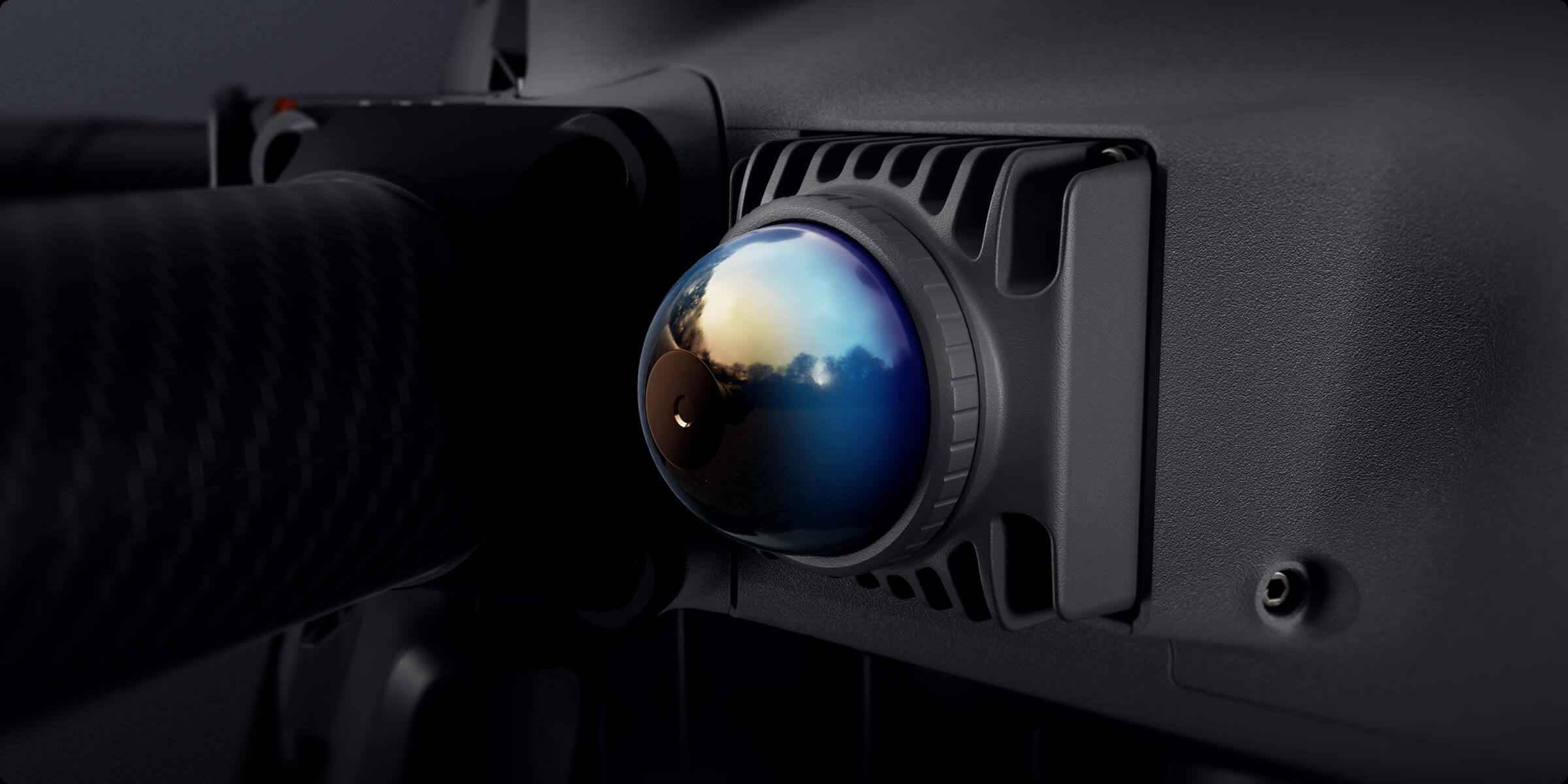
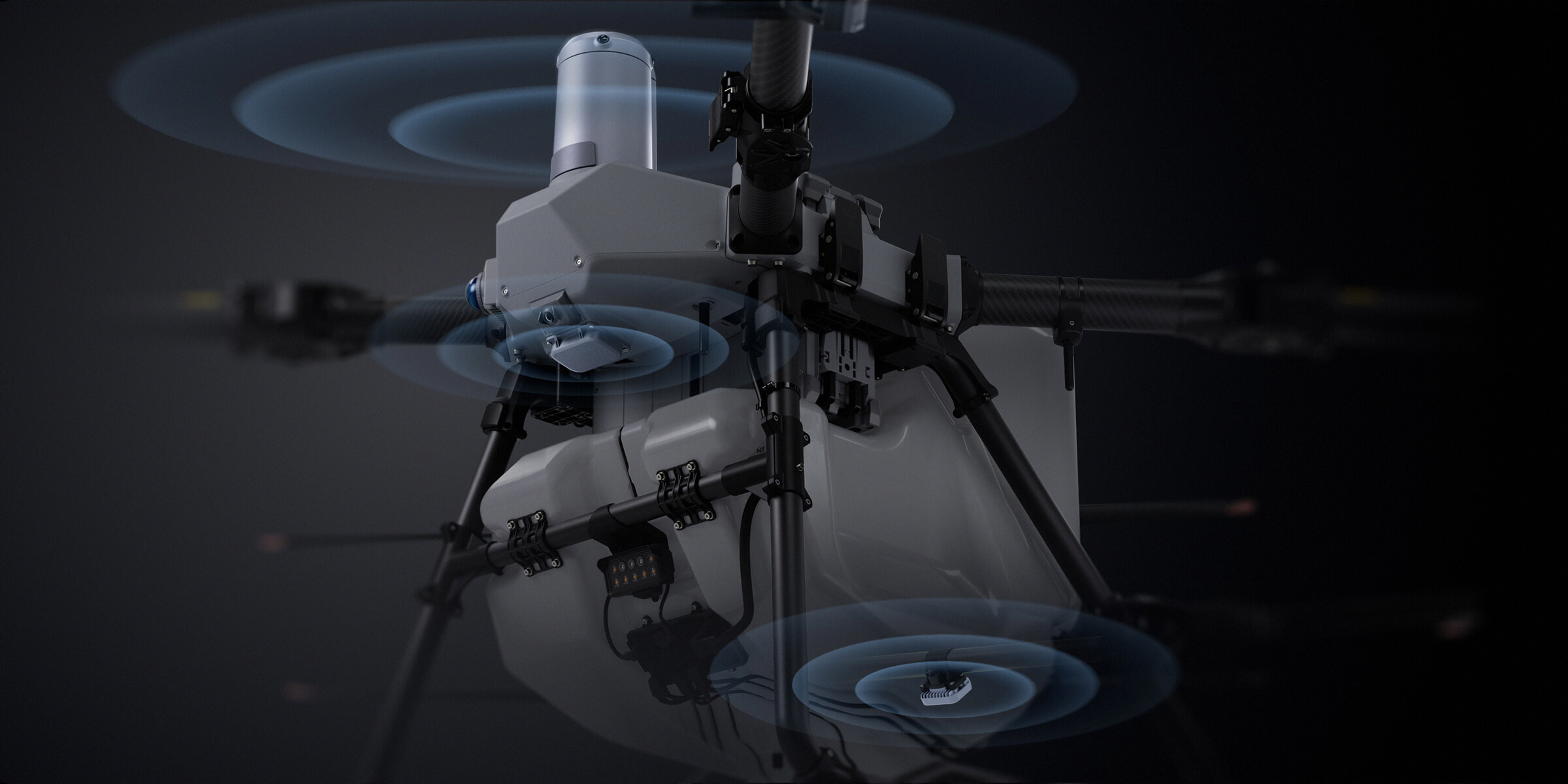
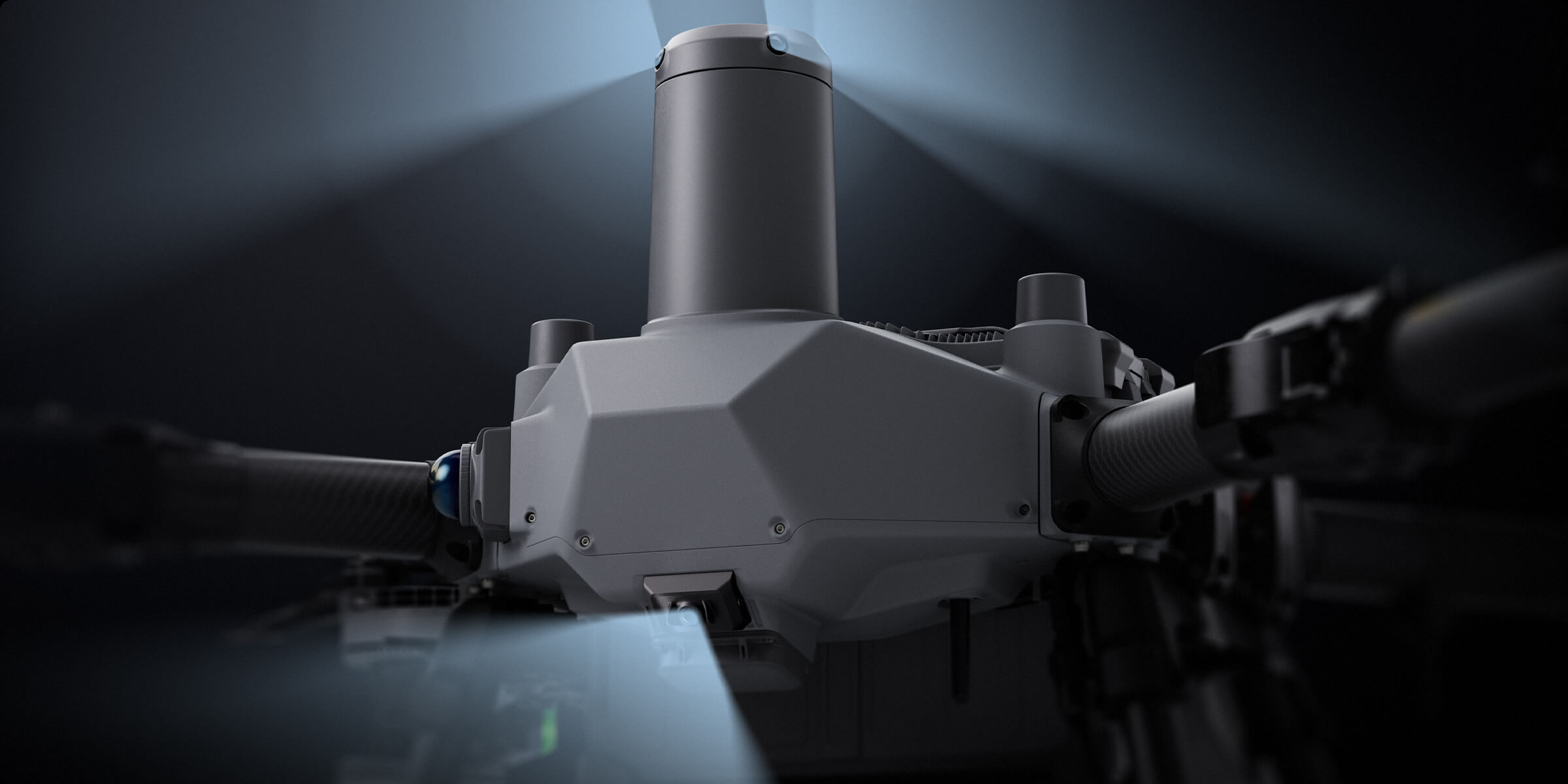
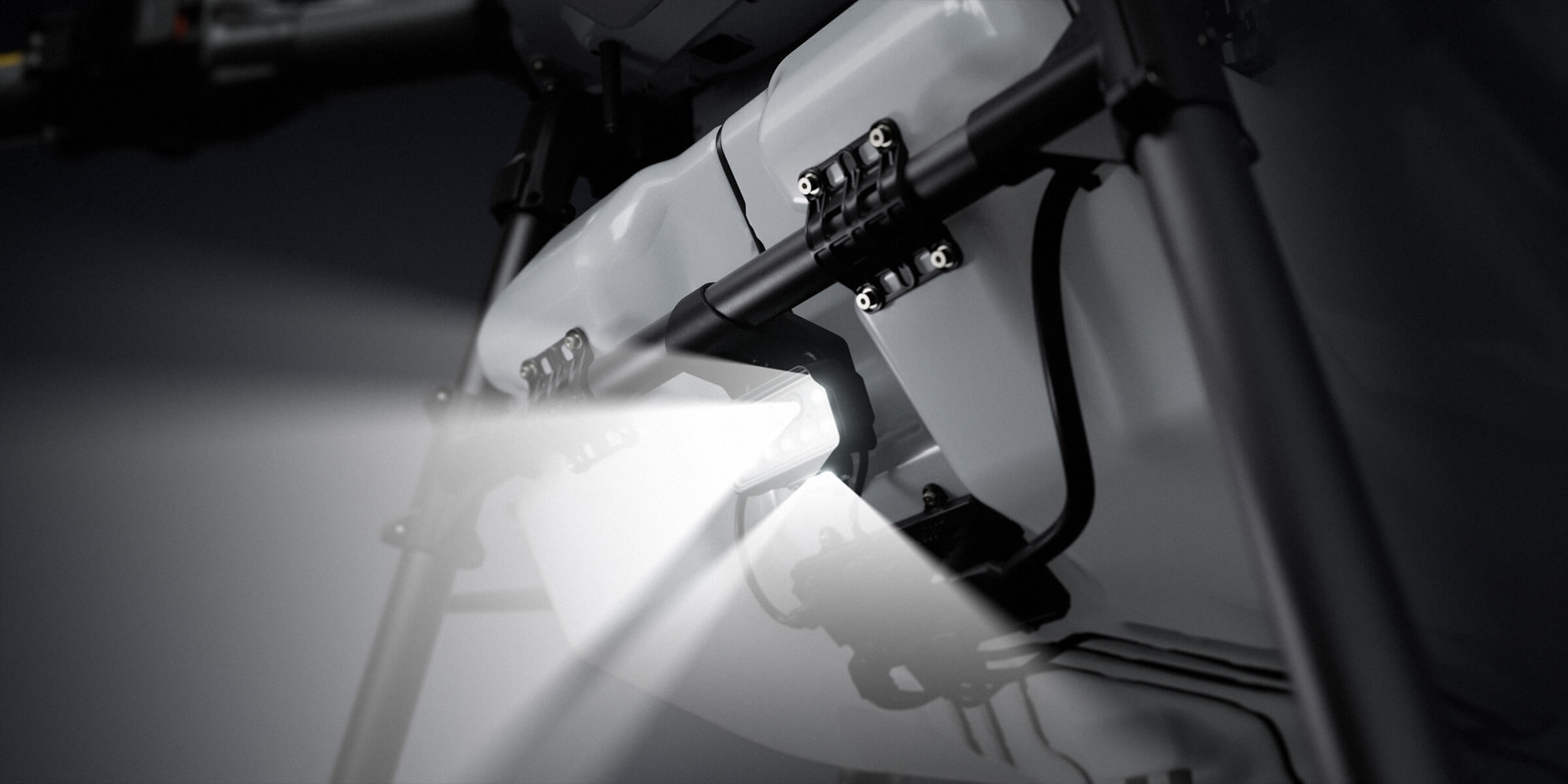
In addition to the existing low beam lights, new front-facing high beams and downward supplemental lighting have been added, ensuring safer nighttime operations.
Smarter Obstacle Bypassing
AR Safety Assistance
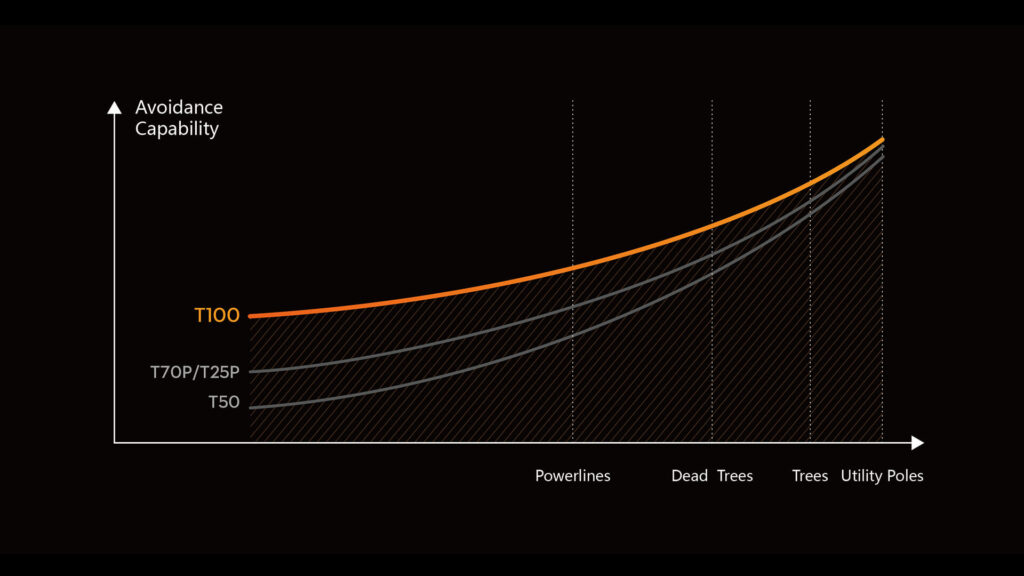
Enhanced Obstacle Avoidance Capabilities
With advanced multi-sensor fusion and upgraded algorithms, the T100 achieves a higher success rate in avoiding various obstacles. Its precision in detecting smaller obstacles is significantly improved, ensuring safer and more reliable operations[2].
Lift System
Your Transport Assistant
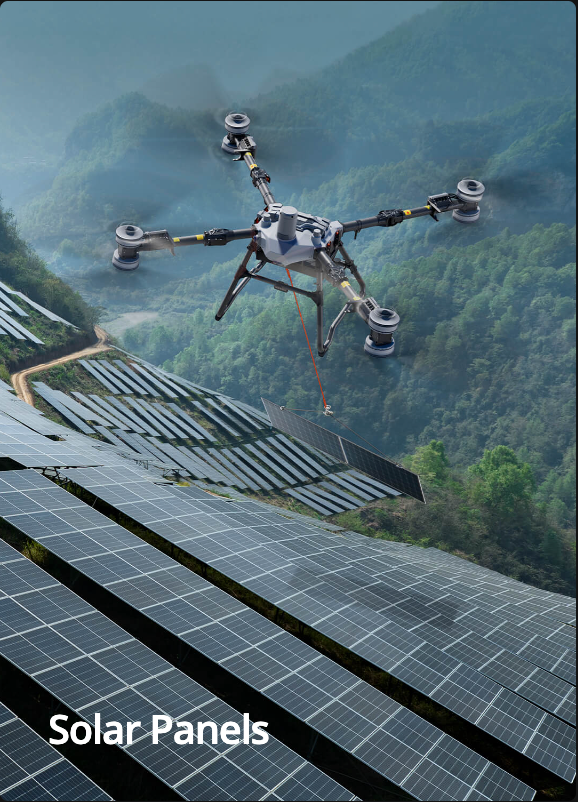
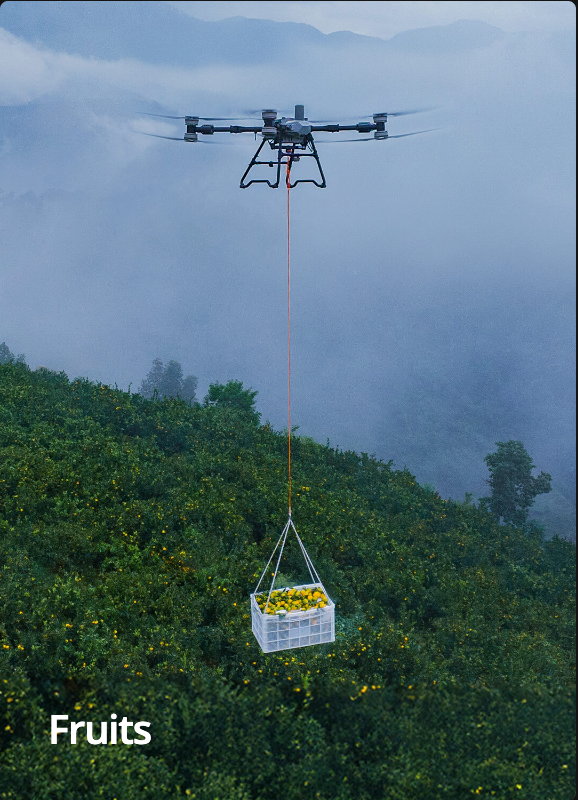
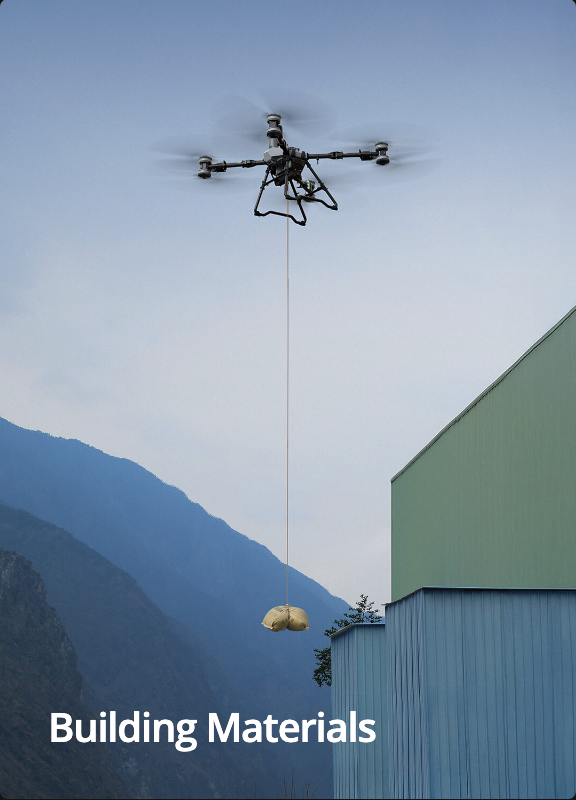
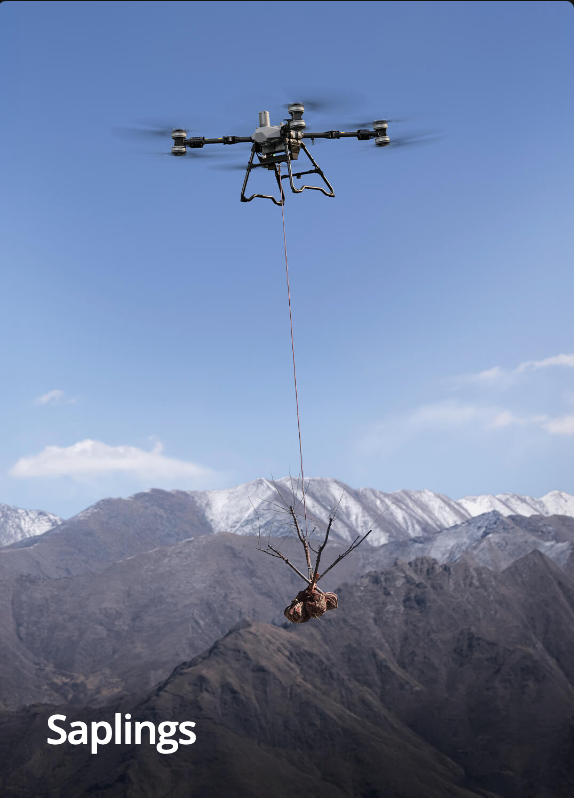
The T100 transforms into a transport solution. With a lifting maximum capacity of 100 kg[5]. Features like auto balance control , weight detection, and automatic navigation to loading and unloading points make it adaptable to various agricultural transport scenarios.
Powerful, Efficient, Reliable Under High Temperatures
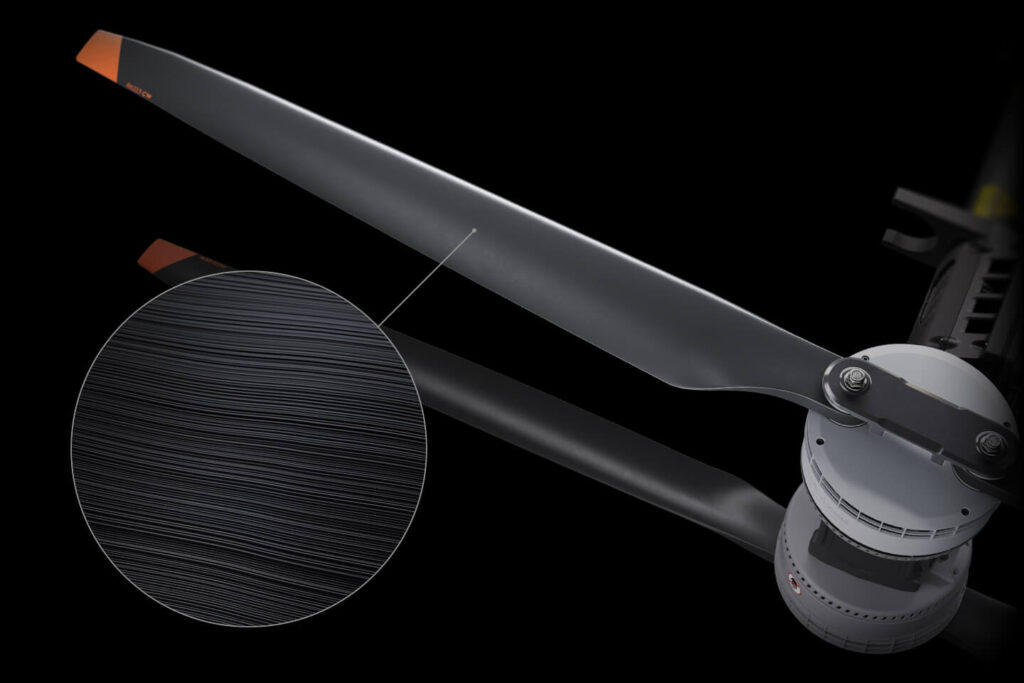
The coaxial dual-rotor design, paired with carbon fiber propellers, delivers a comprehensive upgrade in performance, efficiency, and safety redundancy.
Coaxial Dual-Rotor
Powerful Performance
82 kg Single-Axis Max Thrust
20 m/s Max Speed[6]
Compact Size, High Load Capacity
Energy Efficiency
39%[7] Increase in Full-Load Power EfficiencySafety Redundancy
Propeller Stop Protection Low battery performance under heavy loadEfficient Operations
Propeller Stop Protection Low battery performance under heavy load62-Inch Carbon Fiber Propellers
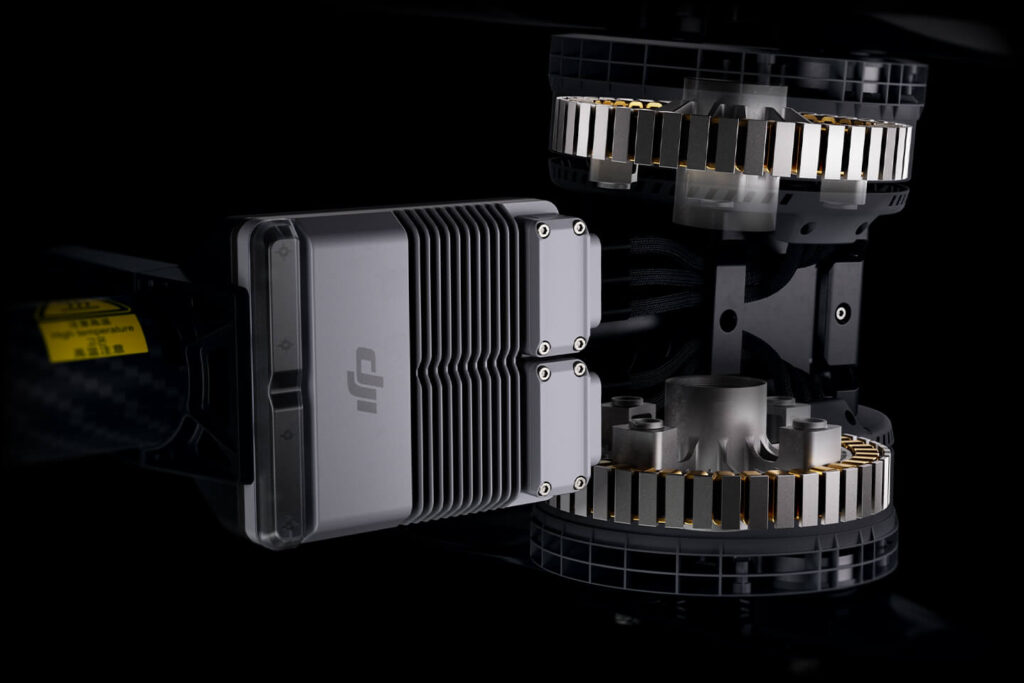
Motors and ESCs
Propulsion System
Easy Control for New and Experienced Pilots
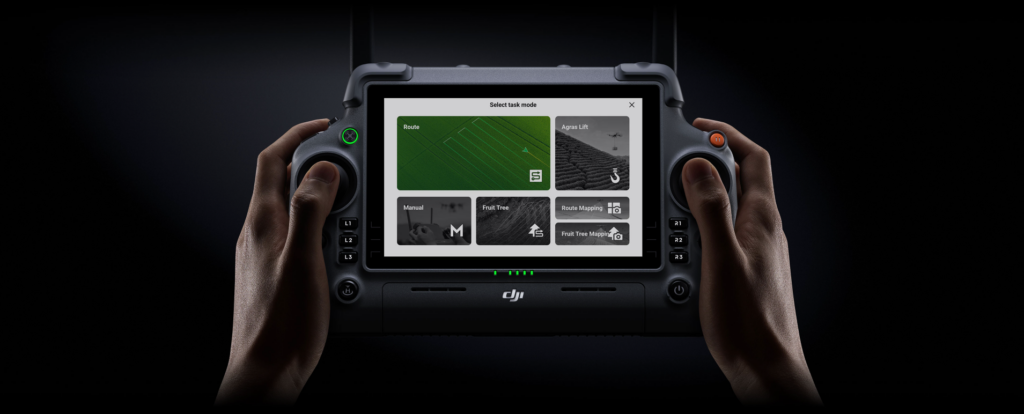
DJI RC Plus features a 7-inch high-brightness screen that is 16%[7] brighter for clear visibility under sunlight. Both internal and external battery life are extended by 30 minutes[7]. New backlit buttons enhance nighttime operation, and customizable physical buttons offer flexible control.
Get Started With Ease for New users
Simply complete the field planning, and operate with one click, without the need for manual intervention.
Step 1: Easy Field Planning
Choose from multiple planning methods. Once the field is planned, the flight path is automatically generated.
Step 2: Once-click Fully Automatic Operation
Easilt call up parameter templates with a single click for convenience and speed.
Step 3: Smart Return to Home
Automatically returns home when out of pesticide or low on battery.
Get Started Elevate Precision and Efficiency for Experienced Pilots
Experience smooth and intuitive manual operation paired with a range of poweful, efficient assistive features. Tackle even the most challenging terrains with confidence and ease.
Multi Fields Operations
Efficiently plan multiple adjacent plots in a single go. Enabling continuous operations without interruptions (in fields or orchards).
Practical Features for Manual Mode
Simplify operations on complex small plots with pratical tools like one-click plot saving and one-click return to breakpoints, ensuring efficient and stress-free workflows.
Free Flight Paths
Adapt effortlessly to diverse scenarios, including mixed crops, intercropping, and paddt fields. Achieve greater operational flexibility for more efficient workflows.
LiDAR Mapping[16]
Mapping up to 20 hectares of large fields or 10 hectares of orchards per flight[17]. The map is reconstructed in real0time on the remote controller, with rapid delivery ipon landing[18]. Point cloud density increased, power line detection rate improved by 80%[7]
Rigorous Testing Standards
The T100 has undergone 700 hours of reliablitity testing, including real-flight aging, accelerated component fatigue, and extreme temperature evaluations. These ensure stability, delivering unmatched performance under various conditions.
Transmission System
Seamless Signal Stability
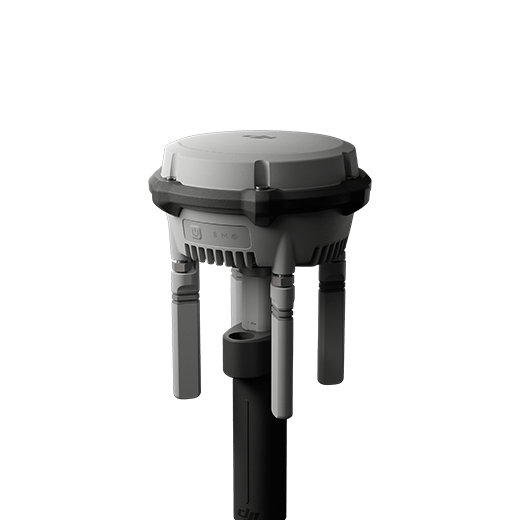
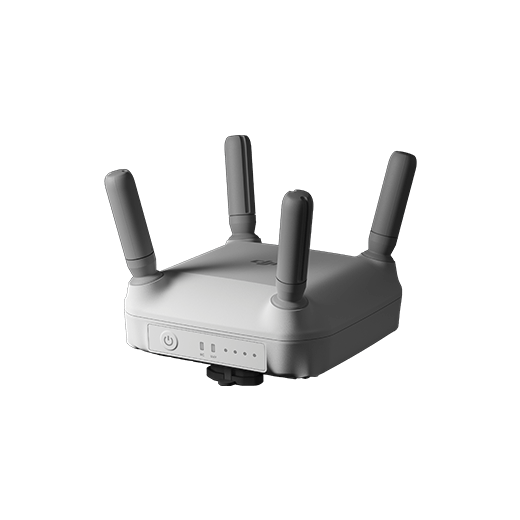
The upgradeed 04 video transmission algorithm ensures constant signal availabilitus. 04 Relay it’s designed to exel in challenging signal conditions, delivering seamless and efficient operations.
04 Transmission
An upgraded transmission algoritham enhances the range while maintaining smooth and stable visuals for consistent preformance.


*The product is only available in certain countries. The appearance of the product is subject to the actual product. For details, please contact your local dealer.
[1] Measured at sea level, DJI Agriculture App intelligently recommends the appropriate loading weight based on the current status of the aircraft, environmental conditions, and operational tasks. Users are advised not to exceed the recommended maximum weight of the loaded granulars, may impact flight safety.When using in Australia, please follow local regulations and keep the maximum takeoff weight at 149.9kg.
[2] The effective sensing range and its ability to avoid and bypass obstacles will vary depending on the ambient light, rain, fog, and the material, position, shape, and other properties of the obstacles. Downward sensing is used to assist in Terrain Following flight and altitude stabilization, while other directions assist with obstacle avoidance. Any collision between the bottom of the aircraft and obstacles shall be the customer’s responsibility. In scenarios without linear obstacles, if a collision occurs at speeds up to 13.8 m/s resulting in aircraft damage, responsibility can be determined through log analysis, and the aircraft may be eligible for free warranty if non-human causes are identified. If there are linear obstacles like wires or guy wires on utility poles, please mark them as obstacles; otherwise, failure to bypass them will be the customer’s responsibility.
– Note 1. Downward sensing assists in Terrain Following flight. If the bottom collides with obstacles, it is considered user responsibility. – Note 2. Due to limitations in safety system performance, the aircraft cannot automatically avoid moving objects, and accidents of this nature will be attributed to user responsibility.
[3] Different granular densities vary, and the maximum load should not exceed 100 kilograms.
[4] Measured with compound fertilizer. The maximum flow rate may vary due to differences in granule size, density, and surface smoothness of different fertilizers.
[5] A weight of 100 kg is measured below the triaxial force sensor (including the weight of the sling, and hook). Data was measured at sea level. The DJI Agras app will recommend the payload weight according to the current status and surroundings of the aircraft. When adding materials, the maximum weight should not exceed the recommended value, otherwise flight safety may be compromised. Users must comply with local regulations during operation.
[6] The actual operation speed of the drone is related to the terrain slope; the steeper the slope, the lower the operation speed. The maximum operating speed varies by country and operational mode, and is subject to local regulations and the actual firmware version.
[7] Compared to the Agras T50 drone and its supporting equipment. Test results may vary based on different testing conditions.
[8] The effective spray width of the spraying system depends on the actual working scenario.
[9] The droplet diameter is measured by a laser particle size analyzer, with a 50-micron diameter using the DV50 standard.
[10] Measured at an operating height of 3 meters with a spinning disc speed of 1,100 r/min and a uniformity requirement of CV < 30%. Higher disc speeds and flight altitudes increase the spreading width.
[11] Suitable for granulars ranging from 0.5 to 10 mm in size. Clumps, straw, woven bags, and impurities, as well as humidity, density, hardness, and shape, can affect spreading adaptability and precision.
[12] To ensure the radar’s sensing performance is fully utilized, make sure the radar surface is clean before operation. If necessary, wipe and clean it.
[13] Night Navigation Light is only for spraying and spreading payloads.
[14] AR safety assistance features serve only as supplementary hints; operators must confirm the surrounding environment’s safety during operation. Detection performance of sensors such as quad-vision and FPV cameras may vary depending on the ambient light, rain, fog, and the material, position, shape, and other properties of the obstacles.
[15] Compared to the Agras T50 drone during field spraying operations. Test results may vary based on different testing conditions.
[16] Mapping operation needs to work with RTK.
[17] The mapping area refers to the area enclosed by the flight path. Single-flight mapping area is affected by firmware version, starting charge level, mapping type, altitude, wind conditions, field shape, slope, etc. The mapping must be conducted with no payload.
[18] Mapping time for the remote controller depends on firmware version, survey type, and other variables.
[19] Batteries are covered by warranty for up to 1,500 charging cycles or 12 months, whichever ends first.
[20] The output power of the charging station may be affected by altitude and fuel quality.
[21] Power output may vary due to local grid factors such as distance, wire material, and diameter.
[22] When using the C10000 Intelligent Power Supply to charge DB1580 and DB2160 intelligent flight batteries, it requires an adapter cable.
[23] Measured by laser particle size analyzer, a 50-micron diameter using the DV75 standard.
[24] Different granulars have different densities, the maximum load cannot exceed 70 kilograms.
[25] A weight of 65 kg is measured below the triaxial force sensor (including the weight of the sling, and hook). Data was measured at sea level. The DJI Agras app will recommend the payload weight according to the current status and surroundings of the aircraft. When adding materials, the maximum weight should not exceed the recommended value, otherwise flight safety may be compromised. Users must comply with local regulations during operation.
[26] Different granulars have different densities, the maximum load cannot exceed 25 kilograms.
[27] Compared to the T50 agricultural drone and its associated equipment, the operational speed was 13.8 m/s during the test. Overall efficiency conclusions may vary under different testing conditions.
[28] A weight of 80 kg is measured below the triaxial force sensor (including the weight of the sling, and hook). Data was measured at sea level. The DJI Agras app will recommend the payload weight according to the current status and surroundings of the aircraft. When adding materials, the maximum weight should not exceed the recommended value, otherwise flight safety may be compromised. Users must comply with local regulations during operation.
[29]Linear obstacle detection only supports spraying and spreading payloads.
Contact Us
If you wish to purchase products or become a dealer, please leave your contact information below. We will be in contact with you shortly.