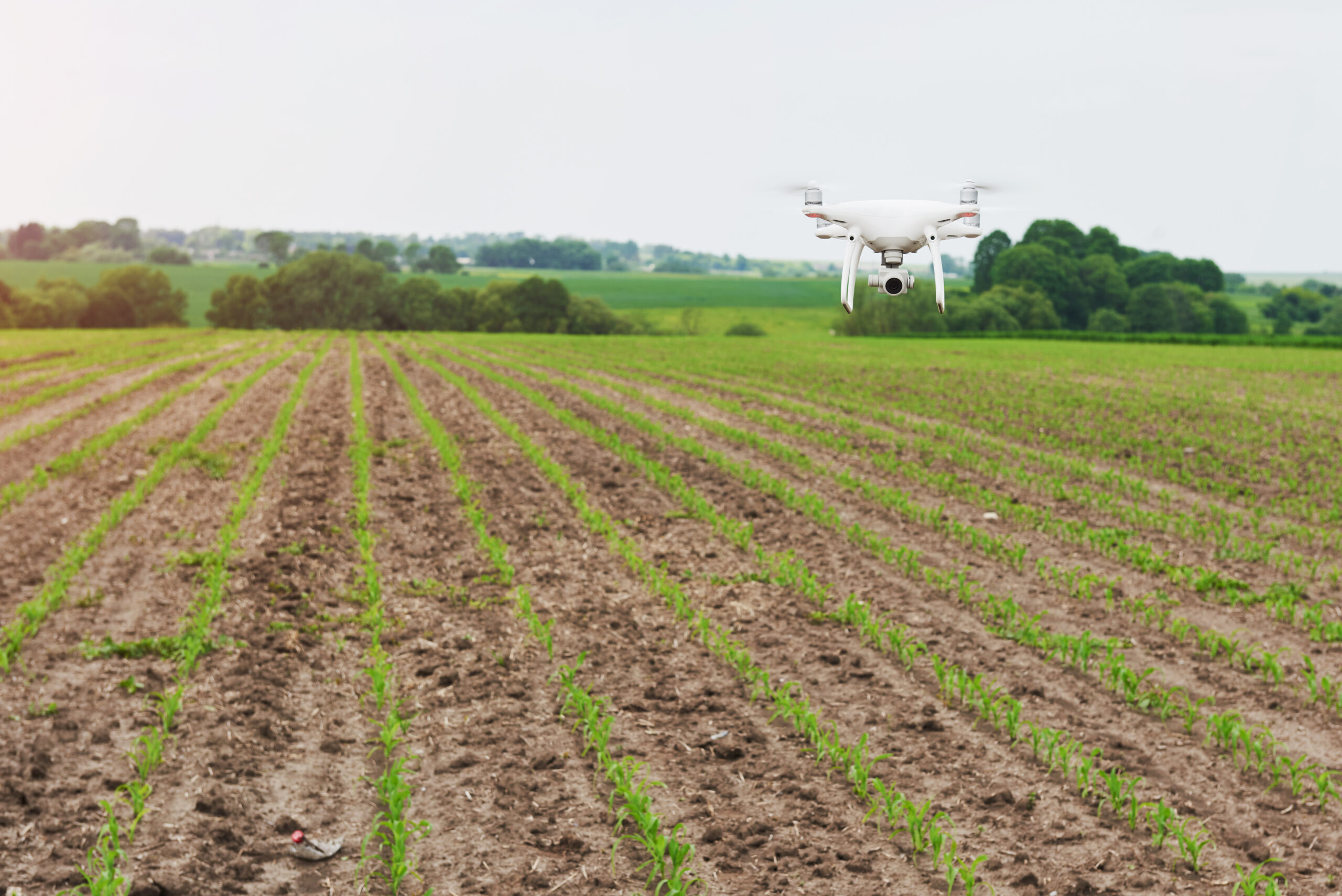
Precision agriculture has transformed the way modern farmers approach crop management, and drones are at the forefront of this revolution. These versatile aerial devices equipped with advanced sensors and imaging technology enable farmers to collect precise data about their fields, leading to more efficient and sustainable farming practices. By flying over fields and capturing detailed imagery, drones provide valuable insights into soil conditions, crop health, and environmental factors, allowing farmers to make informed decisions that optimize yields and minimize inputs.
One of the primary benefits of using drones in precision agriculture is their ability to conduct targeted interventions. With the help of high-resolution cameras and sensors, drones can identify areas of the field that require specific attention, such as pest infestations, weed growth, or irrigation issues. This targeted approach enables farmers to apply inputs only where they are needed, reducing waste and environmental impact. By optimizing resource use in this way, farmers can improve the efficiency and sustainability of their operations while maximizing profitability.
Furthermore, drones offer unparalleled flexibility and scalability in agricultural monitoring. Unlike traditional methods such as satellite imagery or ground surveys, drones can be deployed quickly and easily to capture real-time data at the field level. This agility allows farmers to adapt their management strategies in response to changing conditions, whether it’s adjusting irrigation schedules, implementing precision spraying techniques, or identifying potential yield-limiting factors. With drones, farmers have access to timely and actionable information that empowers them to optimize every aspect of their operations.